About the study
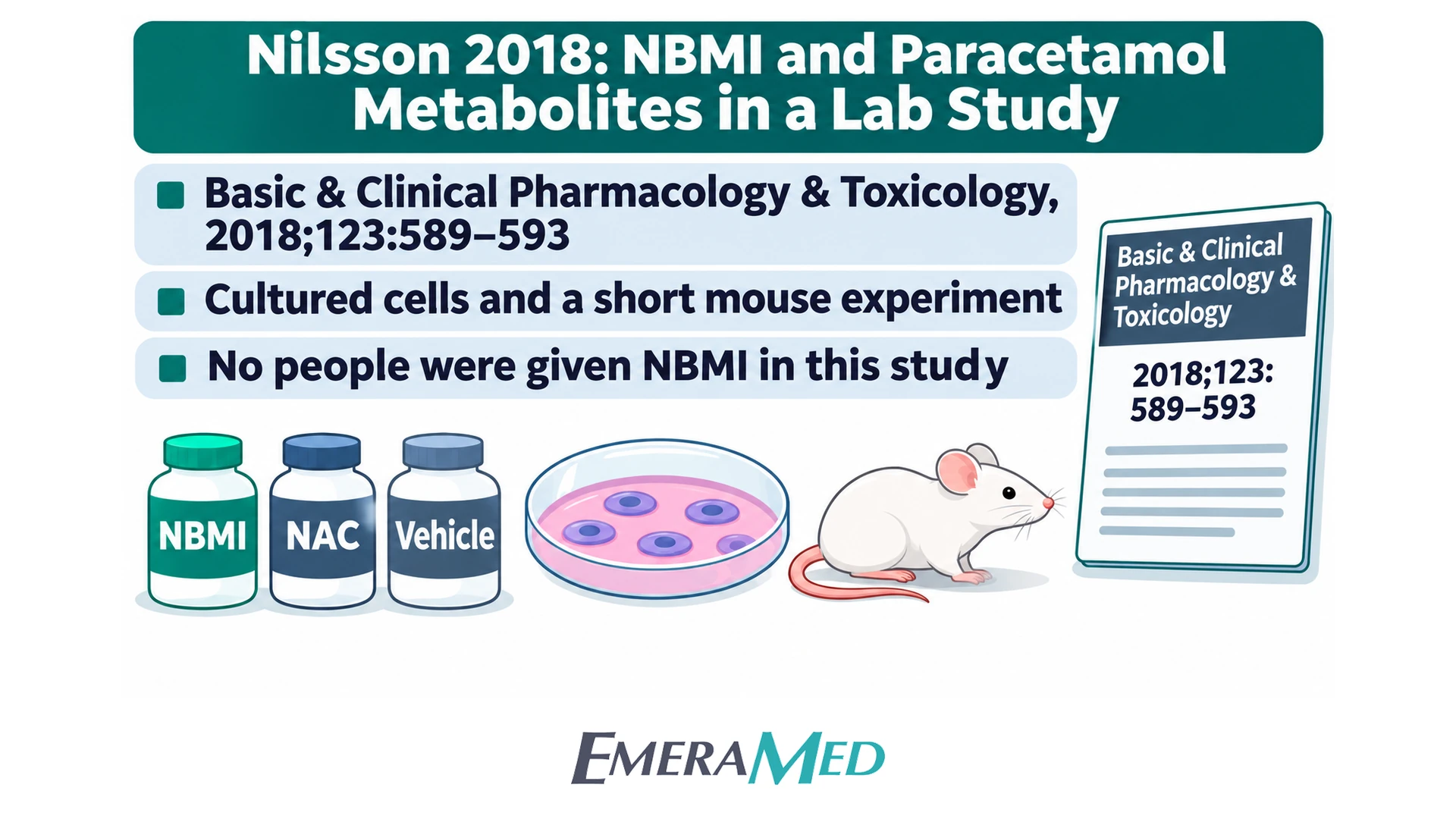
- Citation: Nilsson JLÅ, et al. Basic & Clinical Pharmacology & Toxicology. 2018;123:589–593. The full title is available from the journal.
- Authors: Johan L. Å. Nilsson, Anders Blomgren, Ulf J. Nilsson, Edward D. Högestätt and Lars Grundemar. Högestätt is marked deceased in the paper.
- Institutions: Division of Clinical Chemistry and Pharmacology, Department of Laboratory Medicine, and Department of Chemistry, Centre for Analysis and Synthesis, Lund University, Lund, Sweden.
- Journal: Basic & Clinical Pharmacology & Toxicology, 2018, volume 123, pages 589–593.
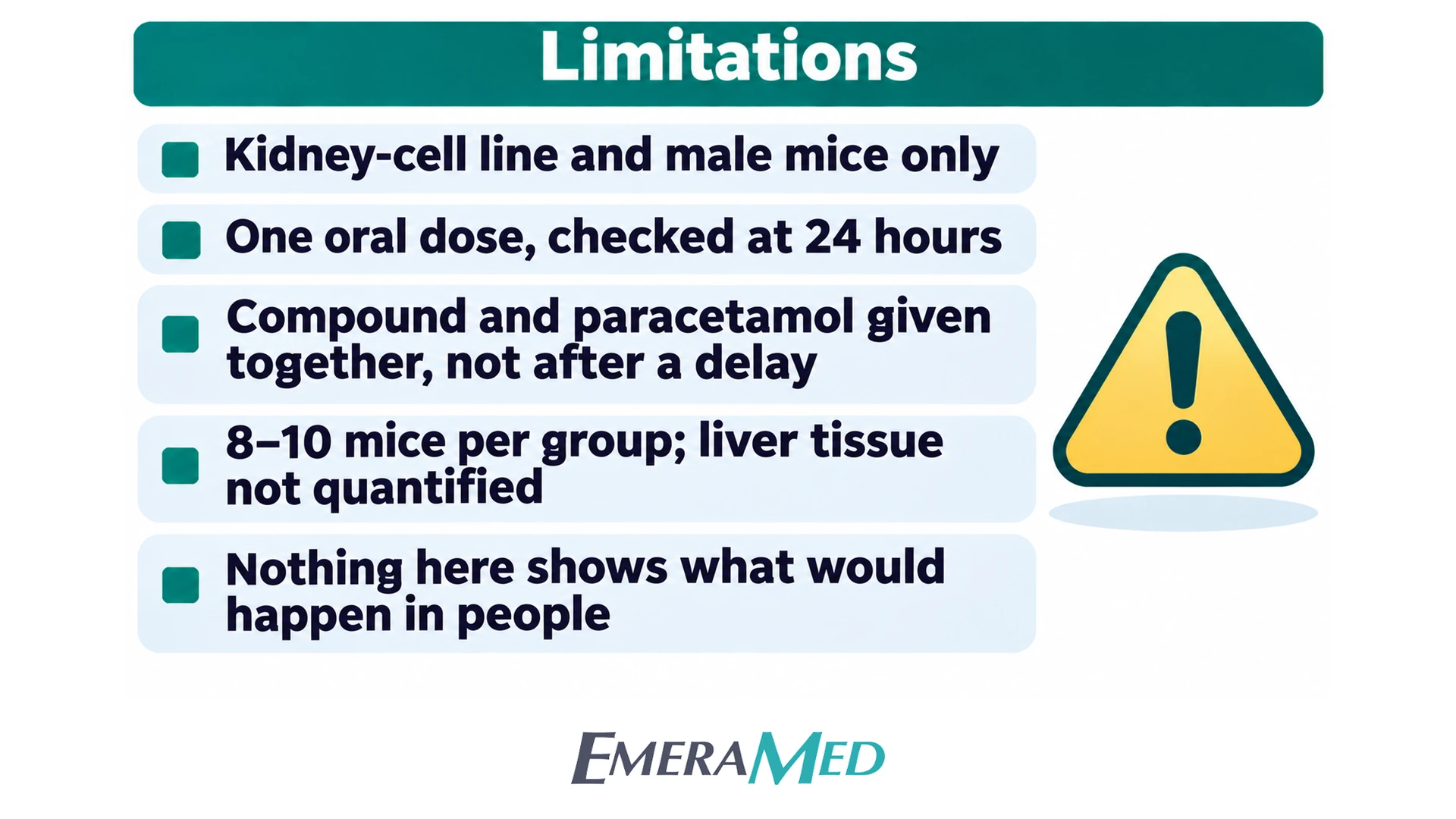
- Type of study: Laboratory work in cultured cells and a short mouse experiment. No people were given NBMI in this paper.
Why the study was done
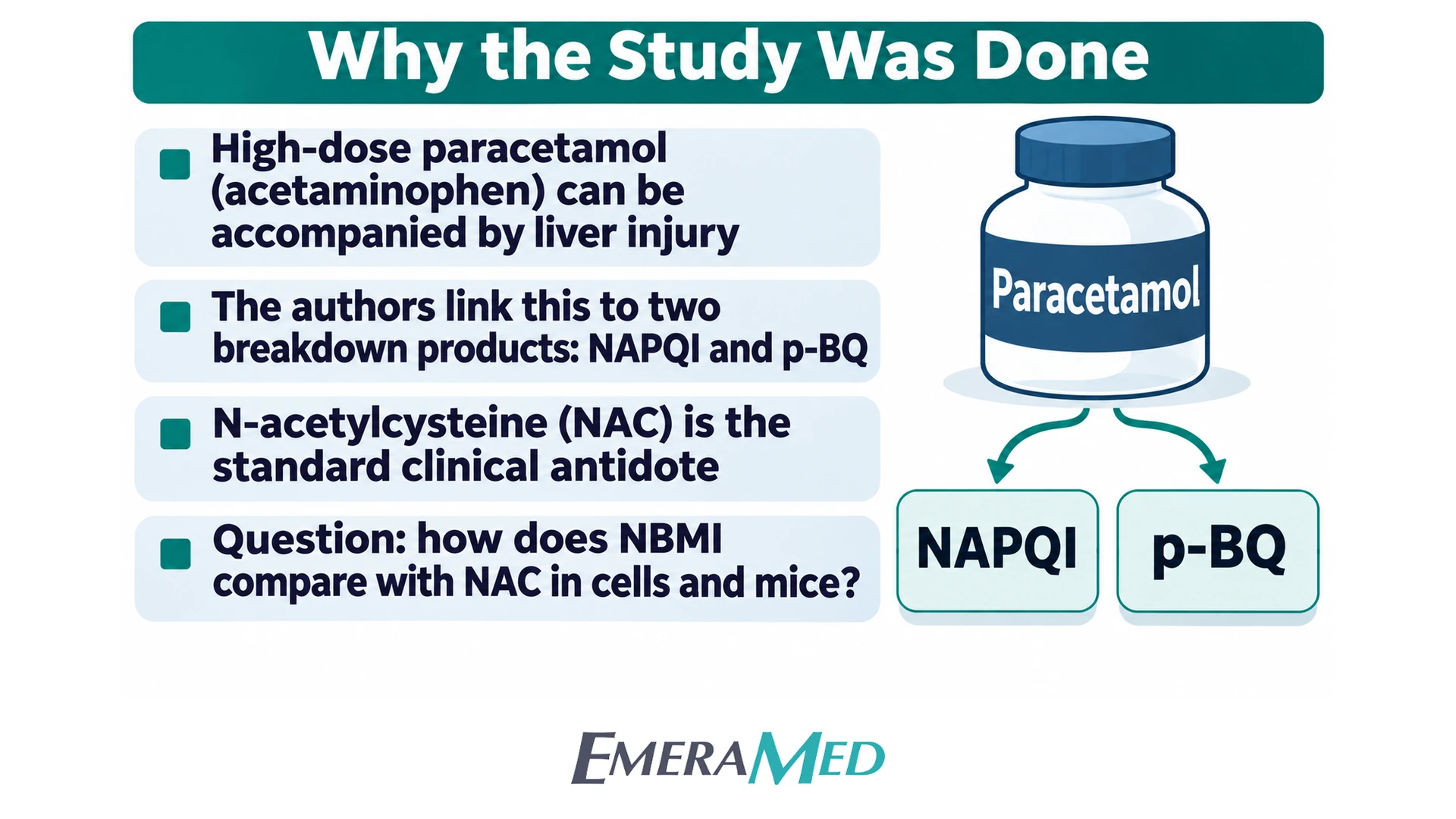
Paracetamol, also called acetaminophen, is a widely used pain- and fever-reducing medicine. At high doses it can be accompanied by liver injury. The authors attribute that injury to two reactive breakdown products, N-acetyl-p-benzoquinone imine (NAPQI) and p-benzoquinone (p-BQ).
N-acetylcysteine (NAC) is identified in the paper as the standard clinical antidote for paracetamol overdose. The authors review published work, from other papers, describing limits on when NAC is started and adverse reactions that have been reported with NAC. Those citations are background, not measurements from this experiment.
The researchers studied NBMI (N,N′-bis(2-mercaptoethyl)isophthalamide), also called Emeramide, an investigational compound that binds metals. They asked two laboratory questions: whether NBMI would change a cell-based signal used as a readout for leftover NAPQI and p-BQ, compared with NAC, and whether oral NBMI, given at the same time as paracetamol, would be associated with different liver histology and a different blood liver-enzyme level than vehicle in mice. This work was done in cells and in mice. It does not show what would happen in people.
How the study was done (methods)
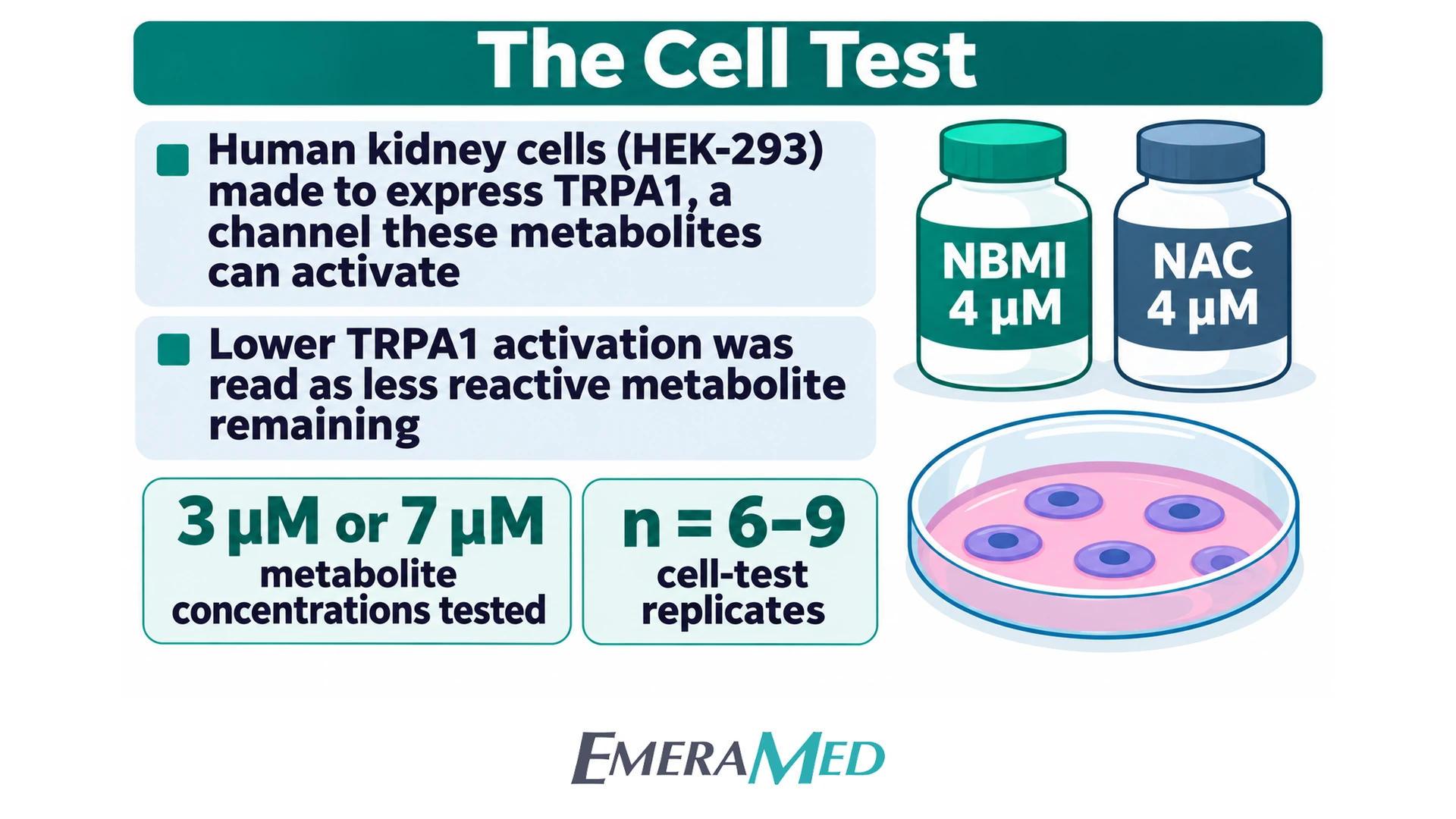
- Cell assay: Human embryonic kidney cells (HEK-293tr) were induced to express human TRPA1, a cation channel that these metabolites can activate. After loading with the calcium indicator Fura 2-AM (1 or 2 µM) in 2 mM probenecid for 1 hour at 37 °C, assays were run at 25 °C. Cells were exposed to NAPQI or p-BQ, with or without NBMI or NAC, and then to the TRPA1 agonist AITC (10 µM) so that activation could be normalized. The authors used lower channel activation as a laboratory indication that less reactive metabolite remained available to activate TRPA1. They describe this as a test of whether the compounds bind, or “entrap,” those metabolites.
- Concentrations in Figure 1: NAPQI or p-BQ at 3 µM or 7 µM, each compared with the same metabolite concentration plus 4 µM NAC or 4 µM NBMI. Results are mean ± S.E.M., n = 6–9.
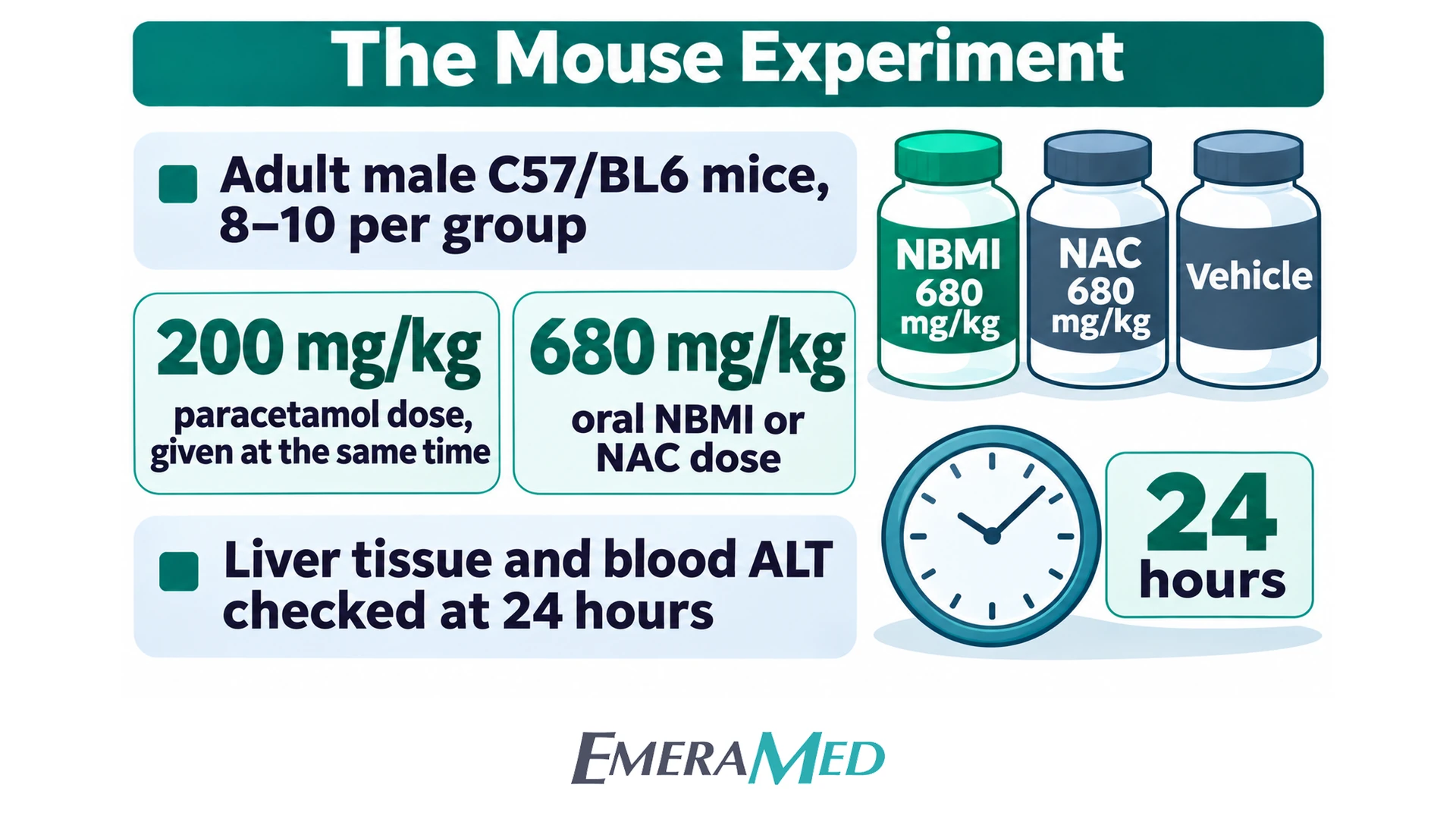
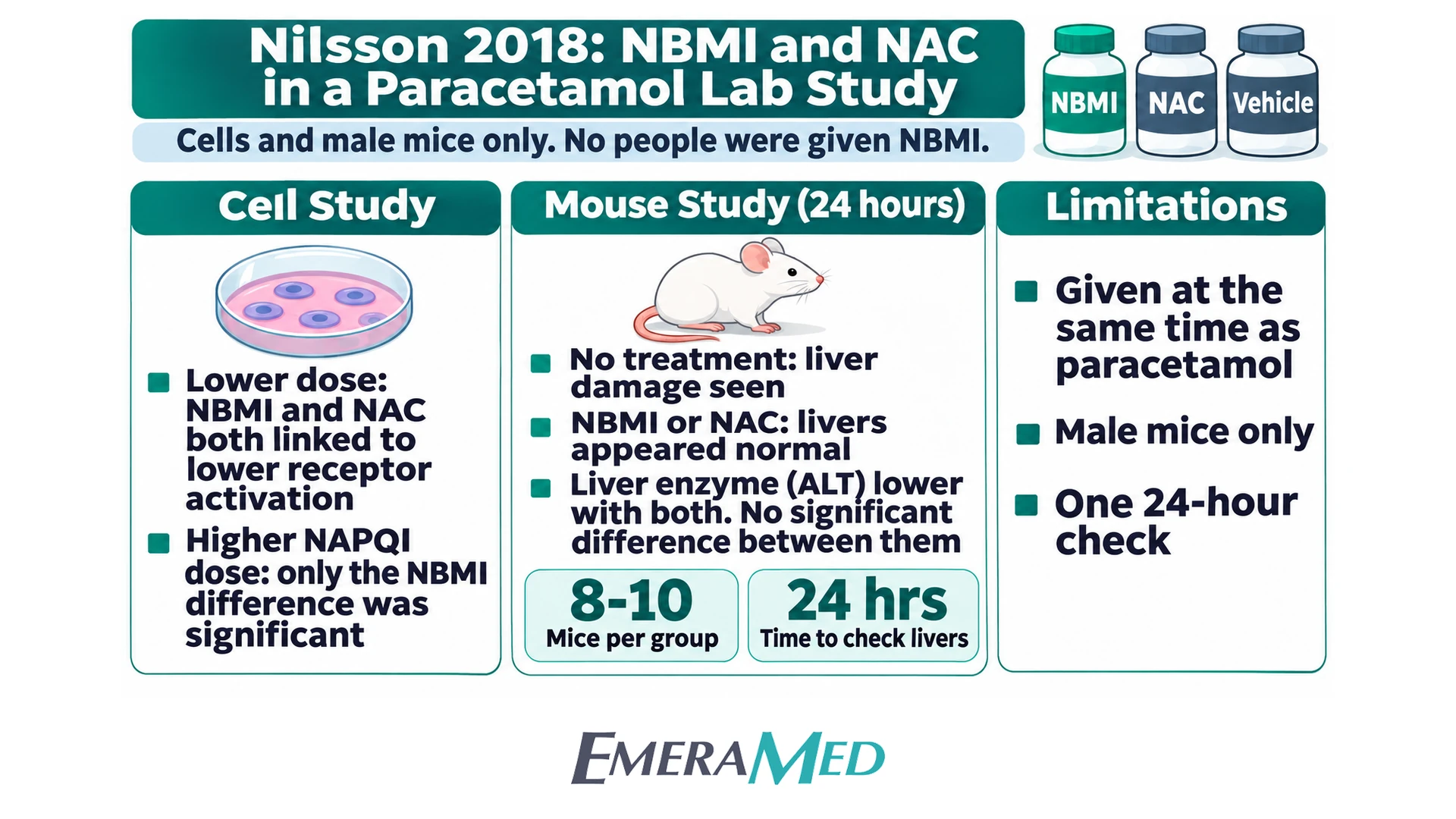
- Mouse experiment: Adult male C57/BL6 mice were randomly assigned to groups of 8–10 animals. Food was withdrawn 12–16 hours beforehand. Each mouse received an oral gavage of NBMI 680 mg/kg, NAC 680 mg/kg, or vehicle (0.5% carboxymethyl cellulose) and, at the same time, a 200 mg/kg intraperitoneal injection of paracetamol. The authors state that the NBMI dose was limited by physical constraints and was about the mid-point of a 300–1200 mg/kg NAC range used in other animal studies they cite. They also note that giving the oral compound at the same time as paracetamol differs from the usual clinical sequence, in which an antidote is started after paracetamol has already been taken.
- Readouts at 24 hours: After isoflurane anesthesia and decapitation, blood was collected for serum alanine aminotransferase (ALT), a blood marker used to indicate liver-cell injury, measured within 48 hours. The left medial lobe of the liver was processed for haematoxylin-and-eosin histology (sections 10 µm thick).
- Analysis: Comparisons used a nonparametric Kruskal–Wallis test followed by Dunn’s multiple-comparisons test. Statistical significance was accepted at p < 0.05. Figures mark *, **, ***, and **** for p < 0.05, 0.01, 0.001, and 0.0001, and “ns” for comparisons that were not statistically significant. Exact ALT values and exact TRPA1-activation percentages are not printed in the text or as data labels; those results are described here using the figure significance marks and the authors’ wording.
What the researchers observed
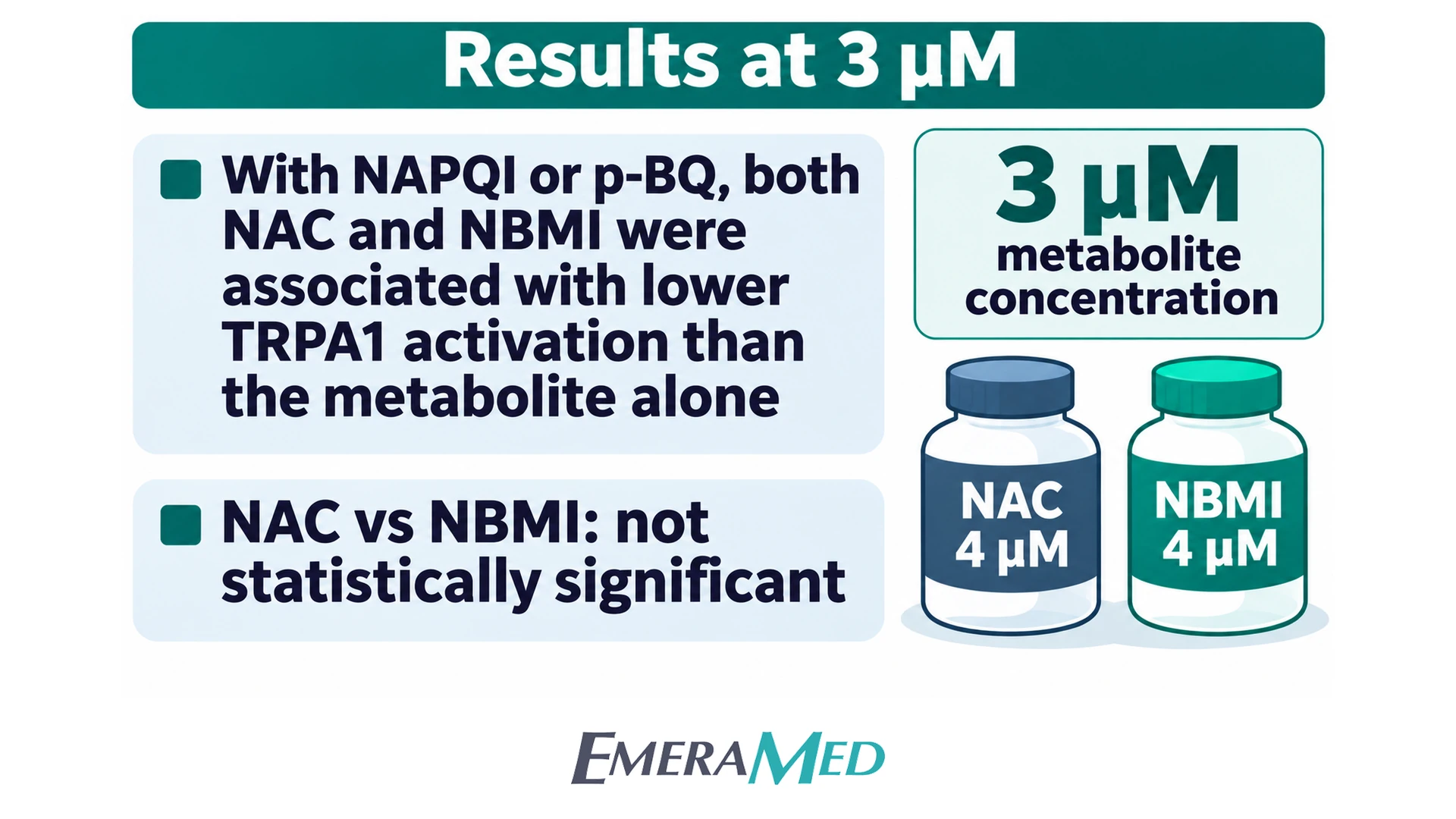
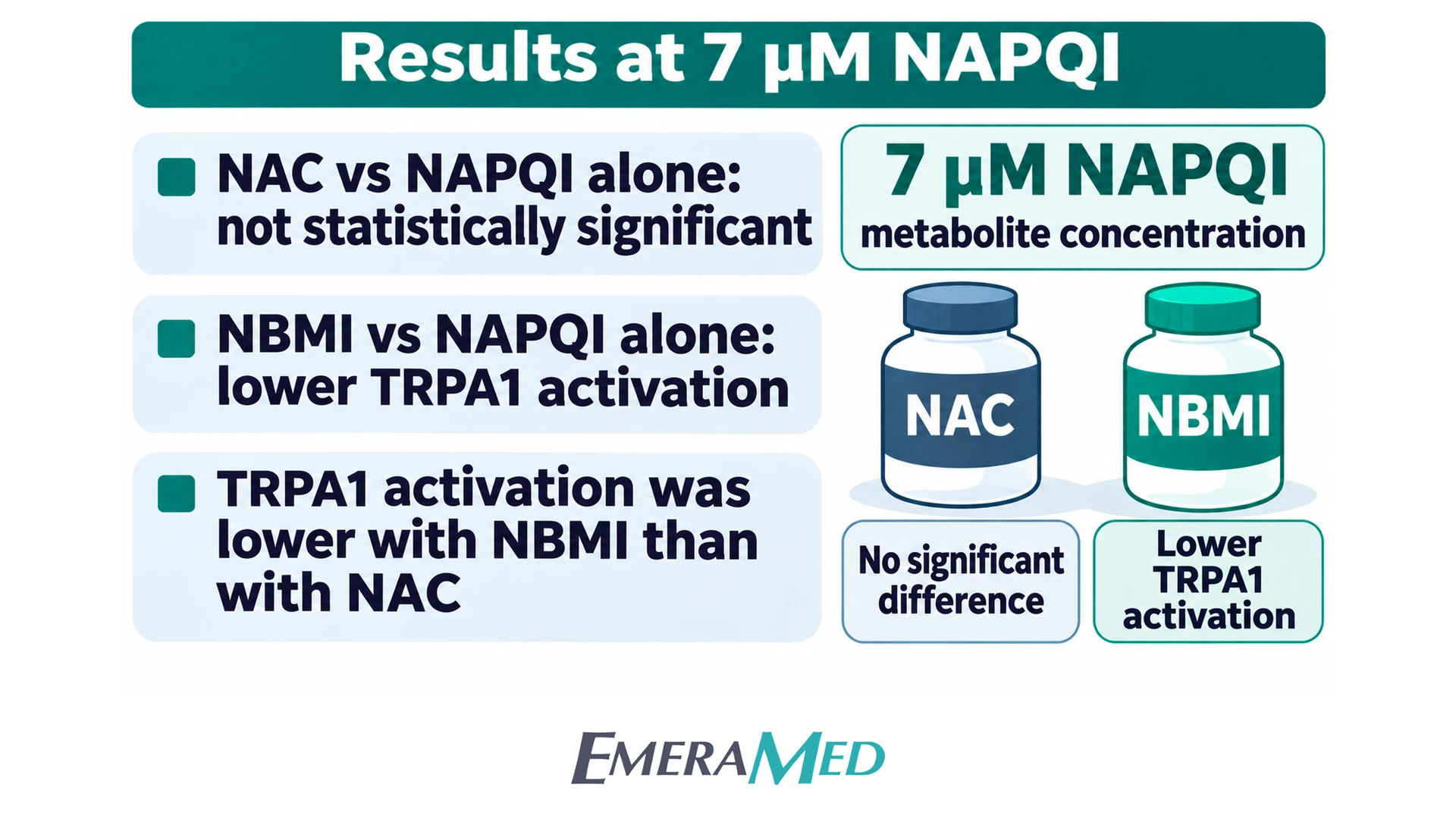
TRPA1 activation by NAPQI (Figure 1A). At 3 µM NAPQI plus 4 µM of either compound, both NAC and NBMI were associated with lower TRPA1 activation than 3 µM NAPQI alone (both comparisons marked ****). The direct comparison between NAC and NBMI at this concentration was not statistically significant (ns). At 7 µM NAPQI plus 4 µM of either compound, the NAC comparison with 7 µM NAPQI alone was not statistically significant (ns), while the NBMI comparison was (****). TRPA1 activation with NBMI was also marked lower than with NAC at this higher NAPQI concentration (**).
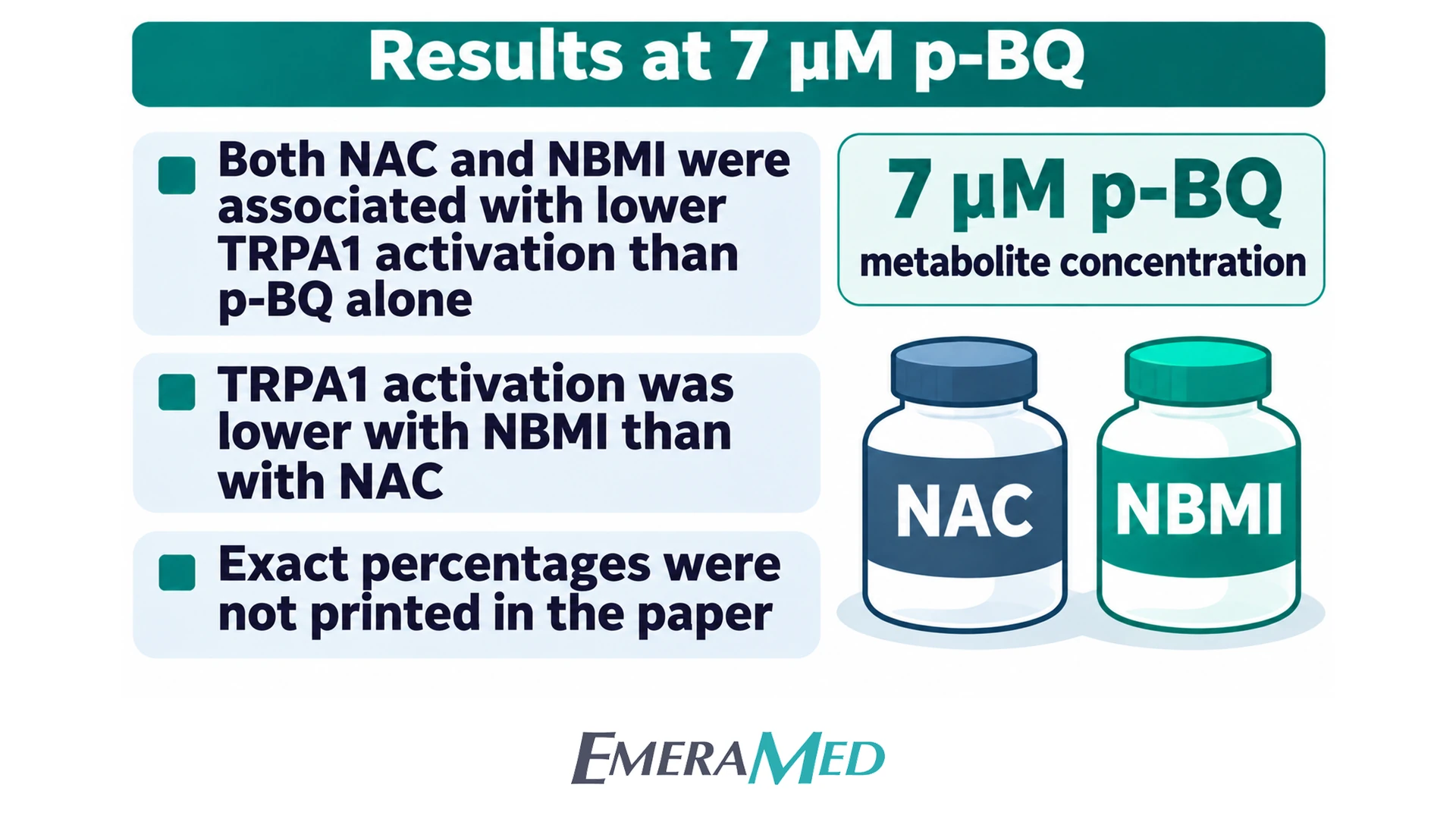
TRPA1 activation by p-BQ (Figure 1B). The same concentration set was used. At 3 µM p-BQ plus 4 µM of either compound, both NAC and NBMI were associated with lower TRPA1 activation than 3 µM p-BQ alone (both ****), and the NAC versus NBMI comparison was not statistically significant (ns). At 7 µM p-BQ, both compounds were associated with lower activation than 7 µM p-BQ alone (NAC, ***; NBMI, ****), and the NBMI comparison with NAC was again marked **.
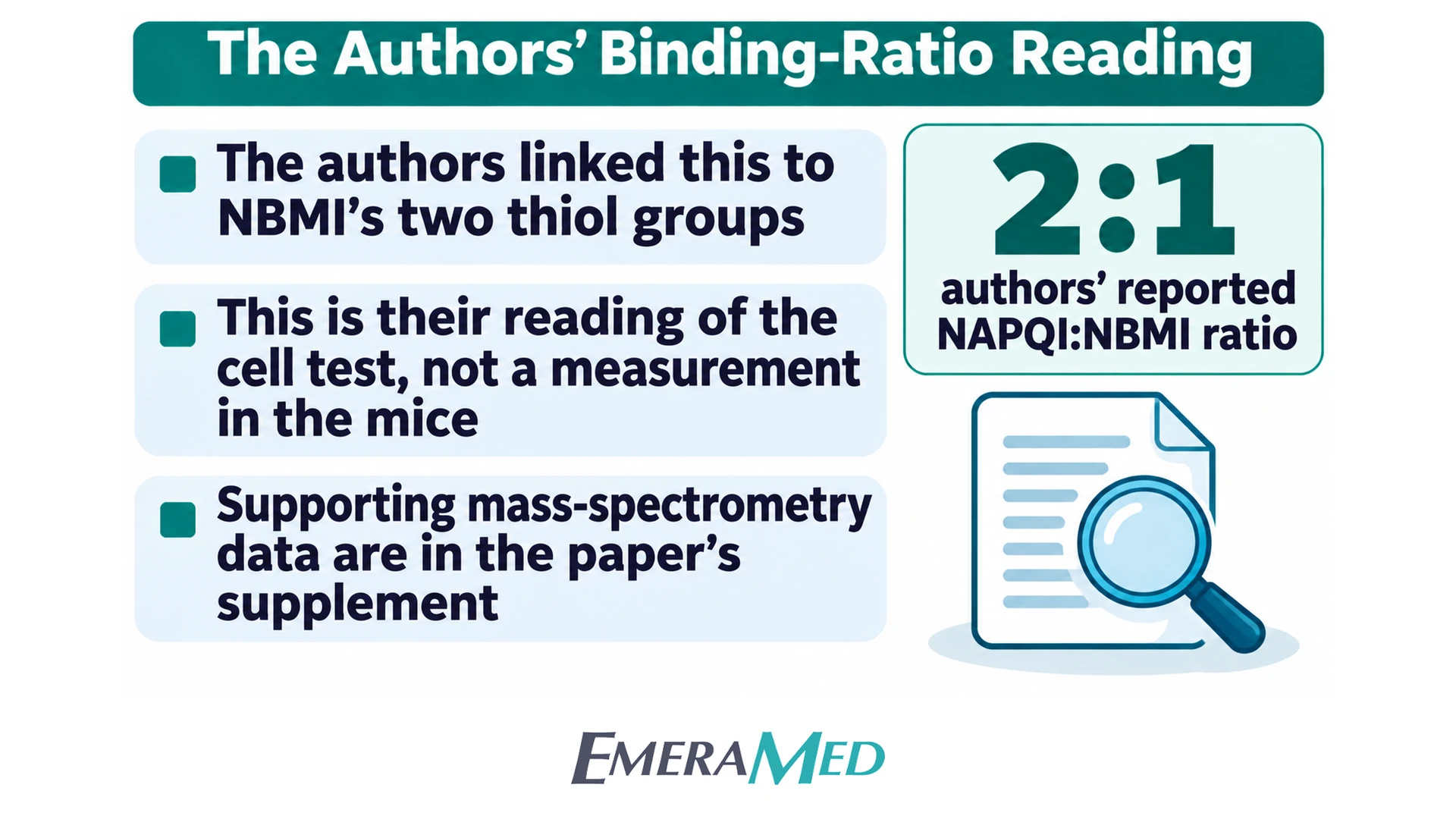
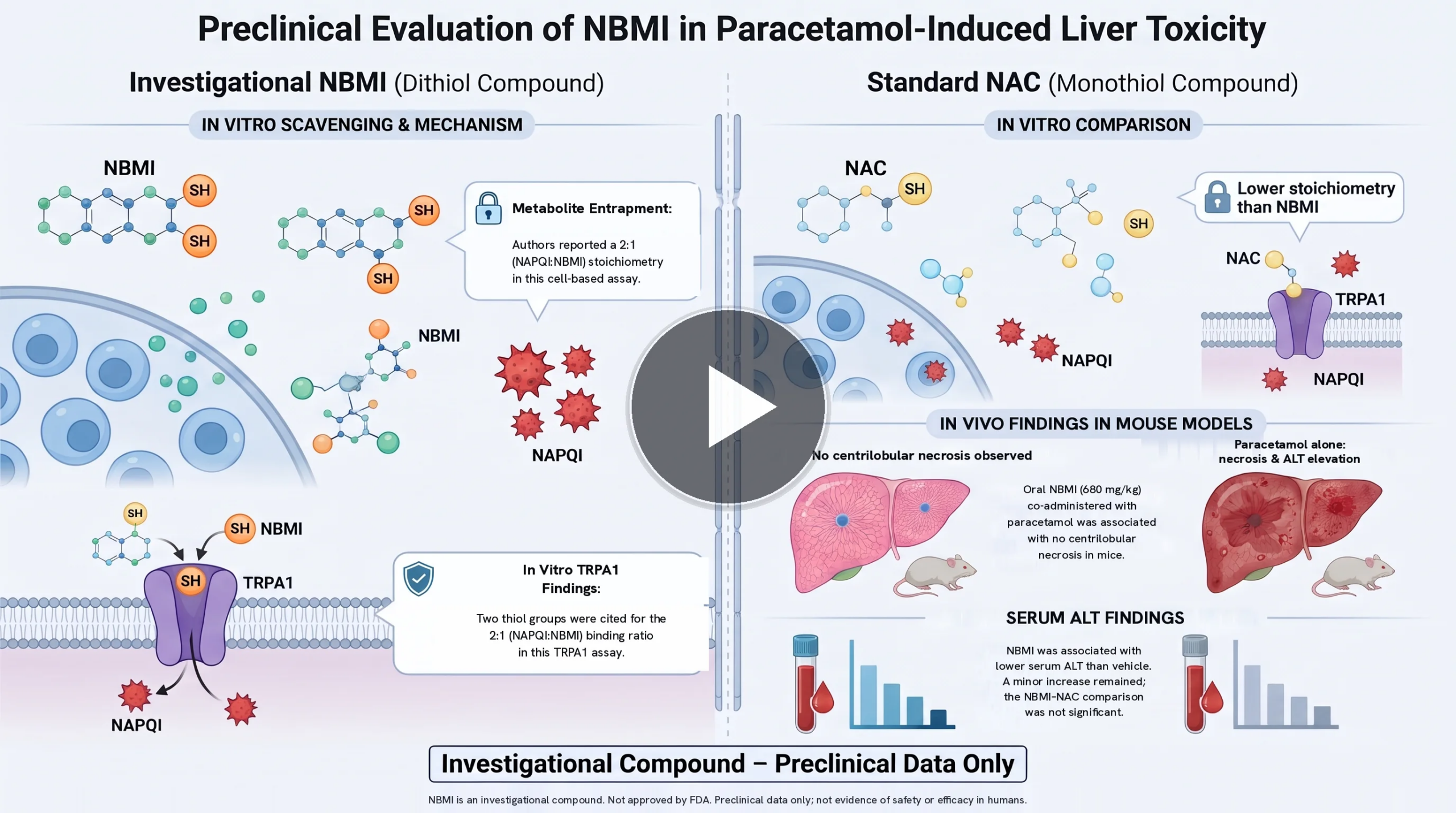
Stoichiometry (page 3). From those assays, the authors reported that, in this assay, a smaller amount of NBMI than of NAC was associated with the same change in metabolite-related TRPA1 activation, and they reported a 2:1 (NAPQI:NBMI) binding ratio. They attribute that difference to NBMI having two thiol groups. They also refer to supporting mass-spectrometry analyses in a separate Figure S1, which is not included in the supplied main paper. Those binding interpretations are the authors’ and come from this cell-channel readout, not from a direct measurement of liver-metabolite concentrations in the mice.
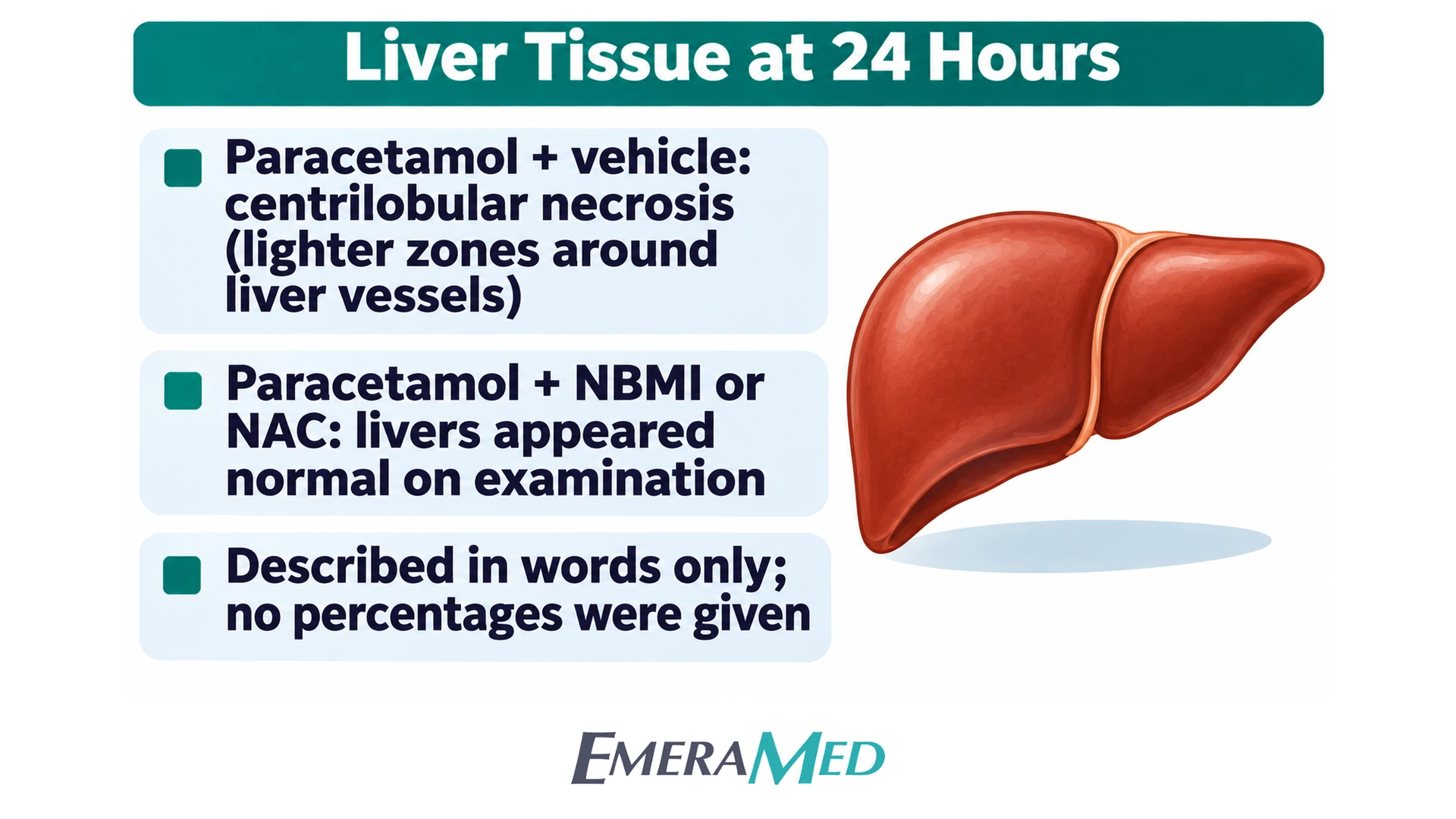
Liver histology in mice (Figure 2A–C). Intraperitoneal paracetamol 200 mg/kg plus oral vehicle was accompanied by centrilobular necrosis at 24 hours, described as lighter zones around hepatic vessels. The authors report that liver tissue from mice that also received oral NBMI 680 mg/kg or oral NAC 680 mg/kg showed no centrilobular necrosis on histologic examination. The histology is a qualitative description; no necrosis-area percentages are given.
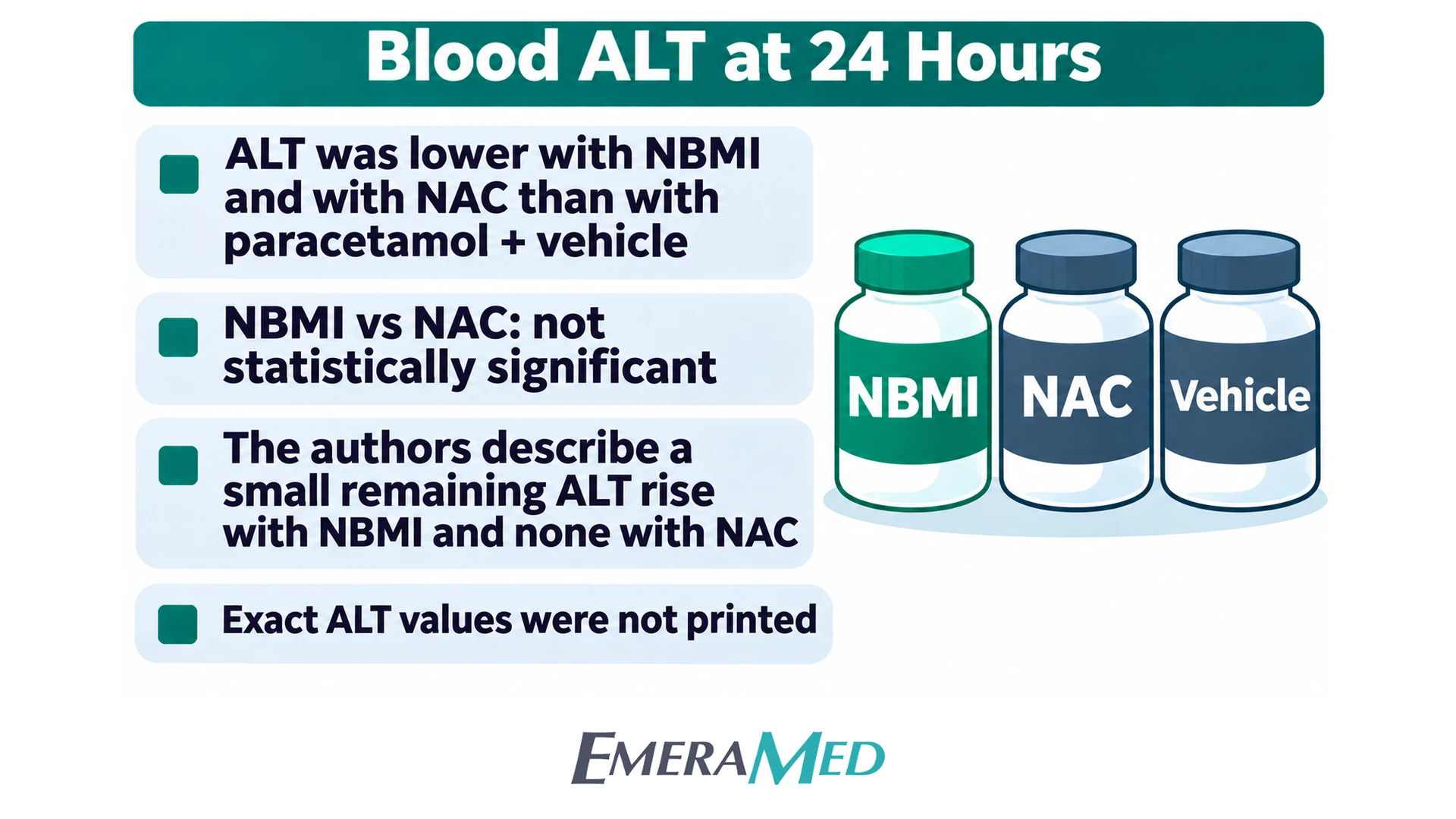
Serum ALT (Figure 2D and page 4). Both the NBMI group and the NAC group had lower ALT than the paracetamol-plus-vehicle group (figure marks ** and ***, respectively). The comparison between NBMI and NAC was not statistically significant (ns). In the discussion, the authors write that no ALT elevation remained with NAC, while a minor increase remained with NBMI. Exact ALT values in U/l are not printed in the text or on the figure as data labels, so those values are not repeated here. The authors also note that the in-vitro difference they reported between NBMI and NAC “did not translate into” a larger change than NAC in this mouse experiment.
What the authors concluded
The authors concluded that, in this TRPA1 cell assay, both NBMI and NAC were associated with lower metabolite-related channel activation, that the binding ratios they calculated differed between NBMI and NAC at the higher metabolite concentration, and that, in male mice given paracetamol at the same time as an oral dose, both NBMI and NAC groups showed no centrilobular necrosis on histology and with lower serum ALT than vehicle. They suggested that the cell assay could be used to screen candidate compounds and that further laboratory work would be needed to answer open questions about dosing route. A neutral reading is that these are short laboratory observations in one cell system and one mouse protocol. The findings do not establish a clinical role for NBMI and do not show what would happen if NBMI were given after a paracetamol overdose in humans.
Citation
Nilsson JLÅ, Blomgren A, Nilsson UJ, Högestätt ED, Grundemar L. Basic & Clinical Pharmacology & Toxicology. 2018;123:589–593. doi: 10.1111/bcpt.13058.
DISCLAIMER: NBMI (Emeramide) is an investigational new drug. It is not approved by the U.S. FDA or any other regulatory agency for any use, and these findings have not been evaluated by the FDA. The results described on this page come from a peer reviewed scientific study and do not show that NBMI is safe or effective in humans. This information is for educational purposes only and is not medical advice.