Study: Secor and colleagues, International Journal of Toxicology, 2011
DOI: https://doi.org/10.1177/1091581811422413
What this page covers: A peer-reviewed laboratory study of Emeramide (also called NBMI) in cells grown in culture. The researchers also used a lab tool called FIPI to help understand one of the cell pathways they were watching. It describes published laboratory findings only.
Abstract
In this published lab study, scientists looked at how mercury affects cells that line blood vessels, grown in culture dishes. They tested three forms of mercury and found that each one increased activity of an enzyme pathway called phospholipase D (PLD), which helps cells send chemical signals through their membranes. When they added Emeramide (NBMI) or FIPI in the same lab setup, those mercury-related PLD signals were lower. The paper also reports that a cellular “stress buffer” called glutathione fell after mercury exposure and rose again toward usual levels when Emeramide was present in the cultures. Markers of cell stress were also lower in those treated cultures. In short, the abstract presents encouraging laboratory observations about how Emeramide behaved in this cell system alongside mercury and related stress signals.
Introduction
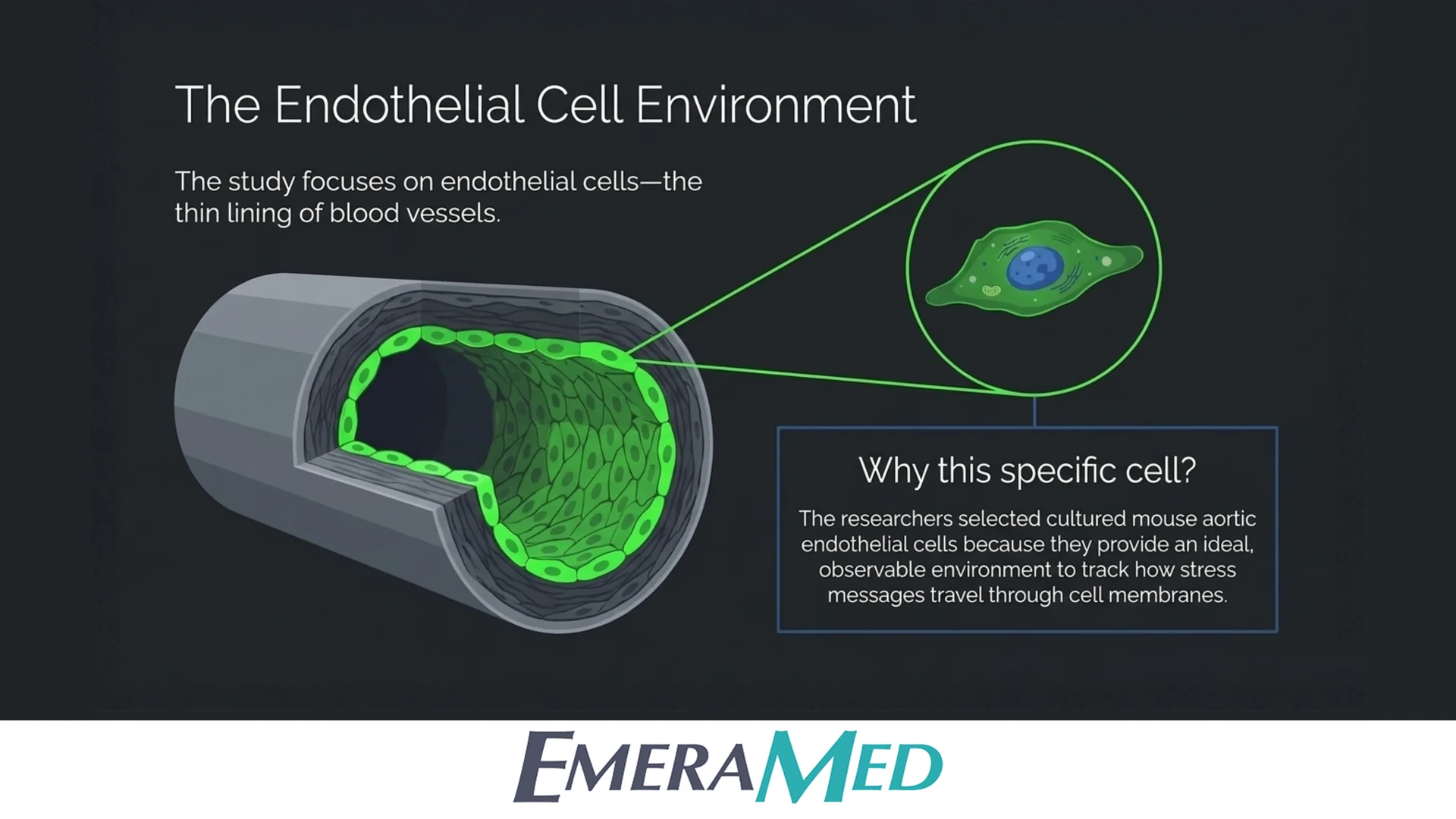
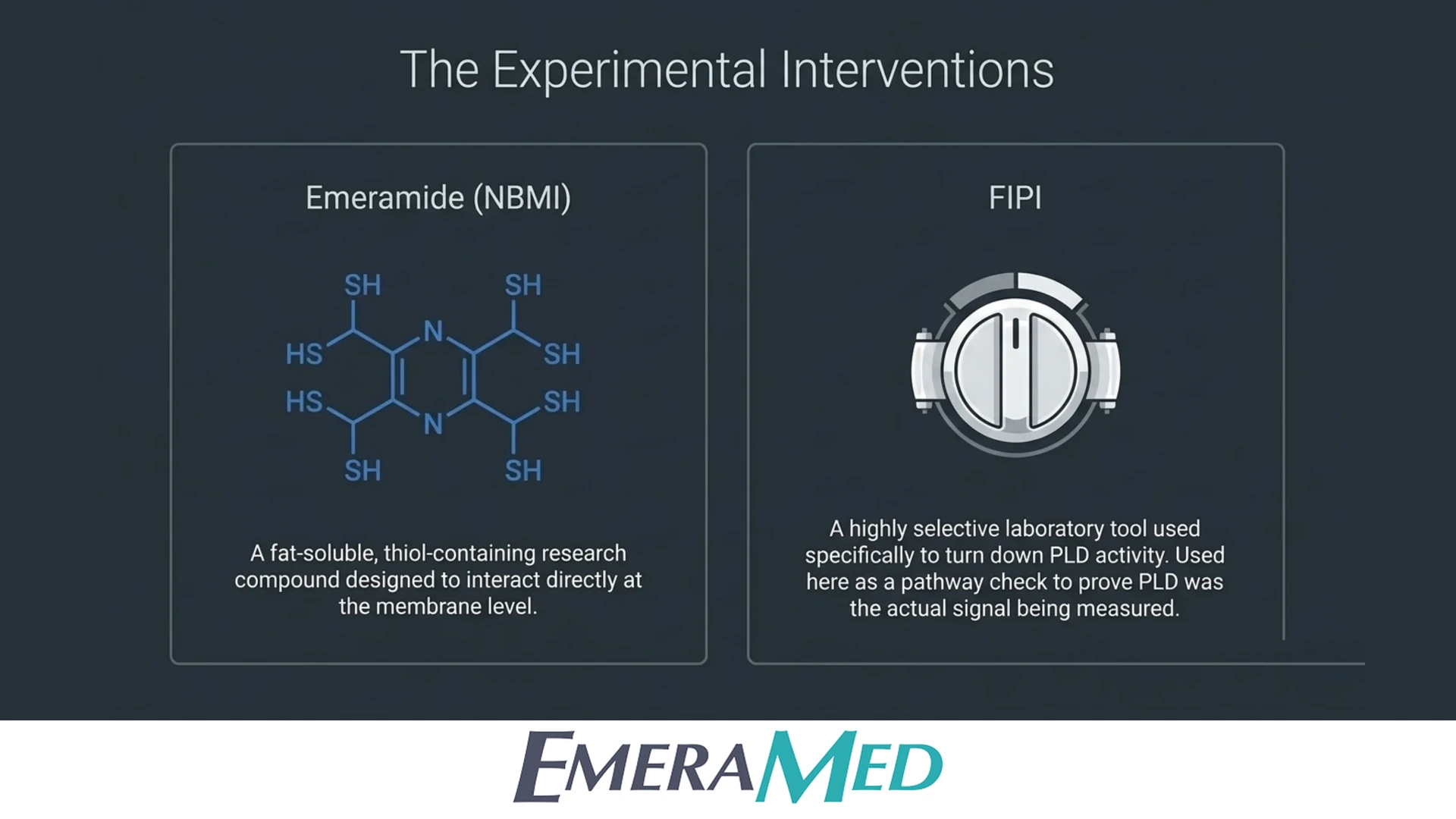
The authors begin by explaining why mercury is an important subject for laboratory research, including questions scientists have asked about the heart and blood vessels. They focus on endothelial cells—the thin lining of blood vessels—because those cells are a useful place to study how stress messages move through cell membranes. Earlier lab work had already linked mercury with changes in PLD signaling and with shifts in the cell’s thiol (sulfur) chemistry. Here they introduce Emeramide (NBMI) as a fat-soluble, thiol-containing research compound of interest for those membrane-level questions, and FIPI as a selective way to turn down PLD activity in experiments. Their goal was straightforward: see what mercury does to these signals in cultured mouse aortic endothelial cells, and see how Emeramide and FIPI change those laboratory readouts.
Materials and Methods
The team grew mouse aortic endothelial cells under controlled lab conditions and exposed them to set amounts of mercury compounds, selected oxidants, and the research compounds Emeramide and FIPI. They measured PLD activity with standard radio-label methods, checked protein changes with common lab blotting and microscope imaging tools, measured glutathione with a commercial kit, and used MTT and LDH tests as everyday markers of cell stress in culture. The paper also briefly notes how Emeramide was prepared for these experiments. Together, these steps form a clear preclinical design: careful exposures, clear measurements, and more than one way to look at what happened in the dish.
Results
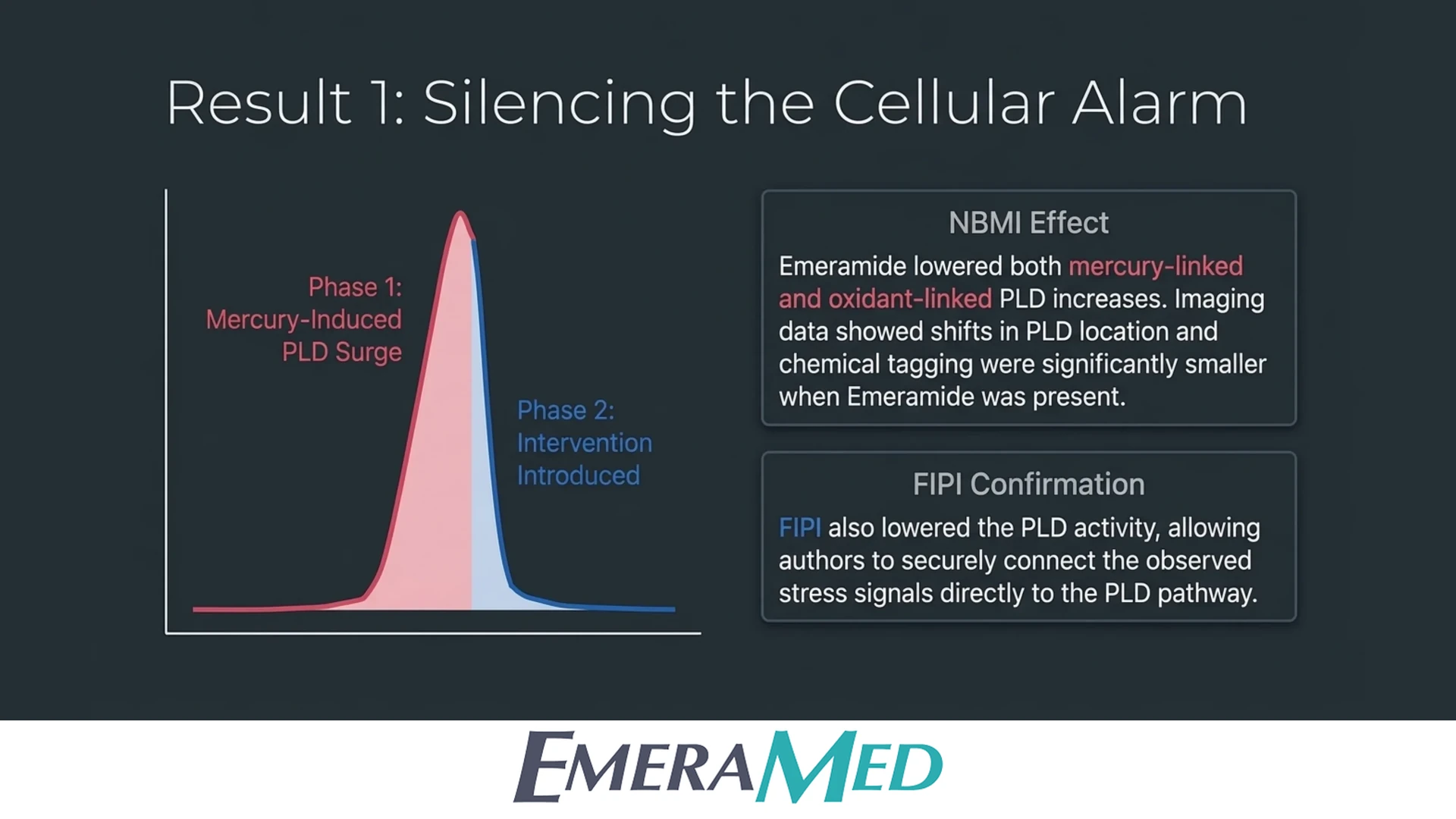
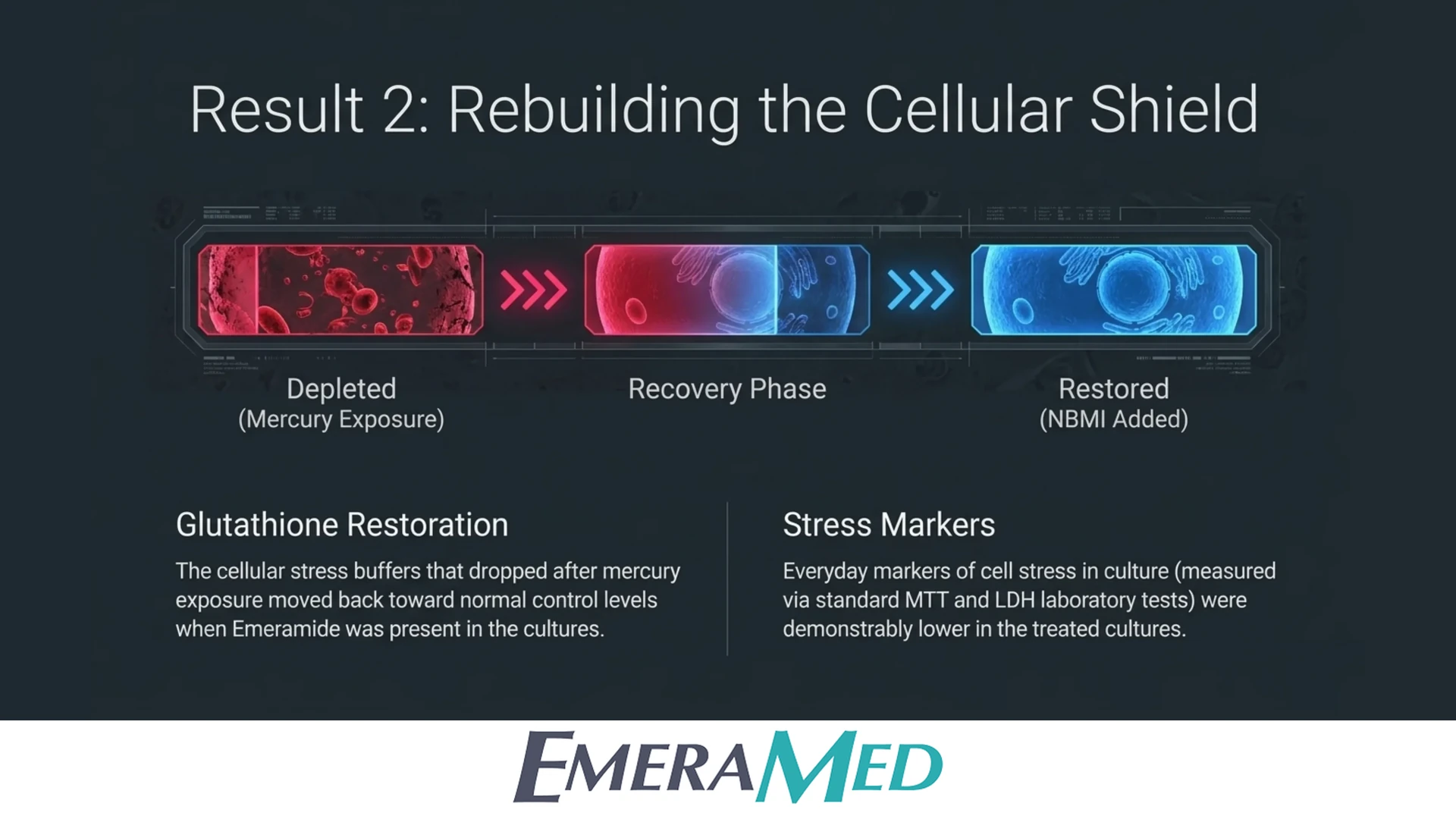
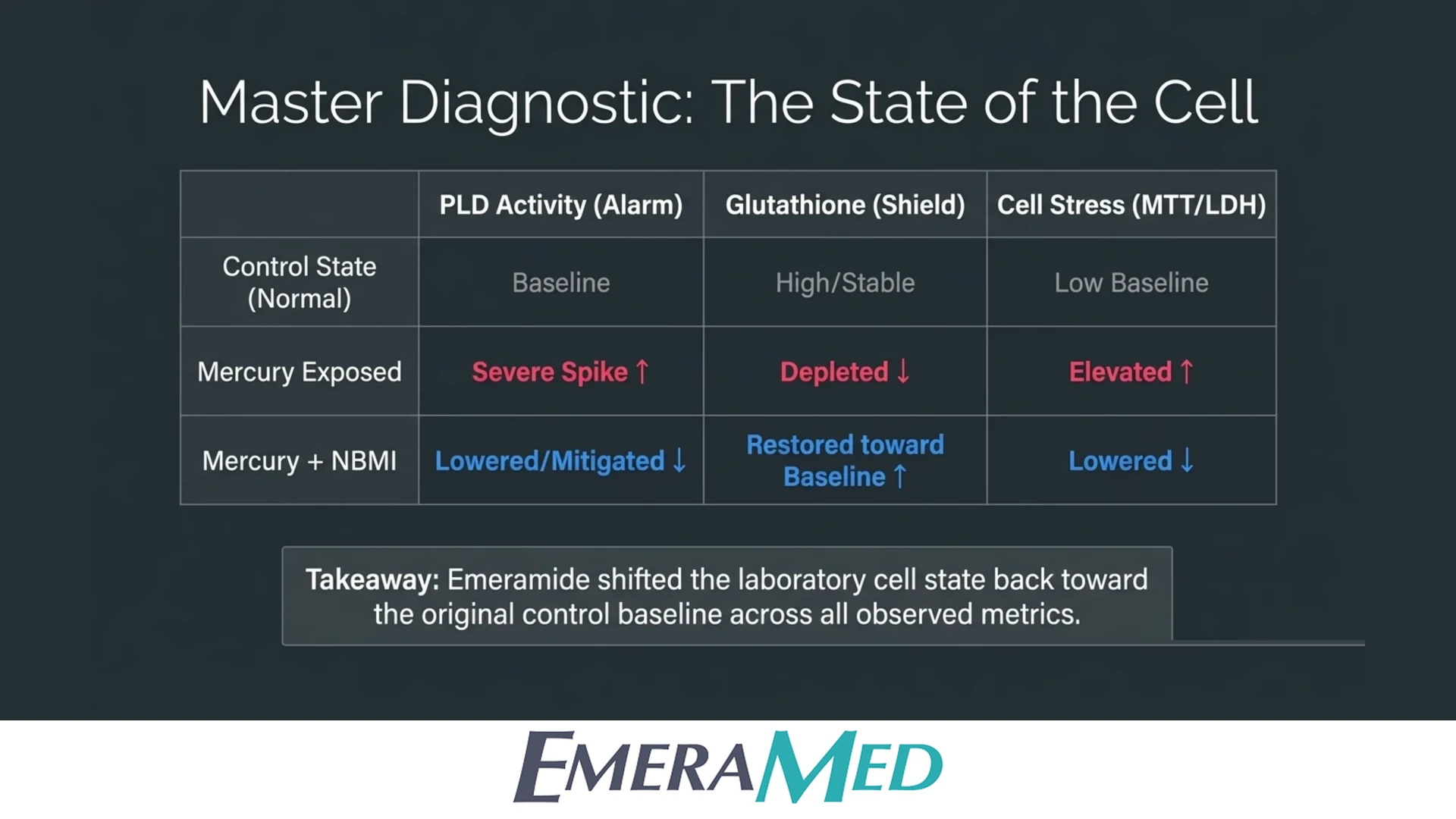
All three mercury forms increased PLD activity in a dose-related way in these cultured cells. Emeramide lowered those mercury-linked PLD increases under the times and amounts tested, and it also lowered some oxidant-linked PLD responses in the same model. Imaging and protein data in the paper show mercury-related shifts in where PLD enzymes sat in the cell and how they were chemically tagged; those shifts were smaller when Emeramide was present. Glutathione levels that dropped after mercury exposure moved back toward control levels with Emeramide in the reported experiments. FIPI, used as a PLD pathway check, also lowered mercury- and oxidant-linked PLD activity, which helped the authors connect the signals they were watching to PLD itself. Both Emeramide and FIPI were linked with lower cell-stress assay readings in this laboratory system. These are published findings from cultured cells, shared here as scientific information—not as conclusions about use in people.
Discussion
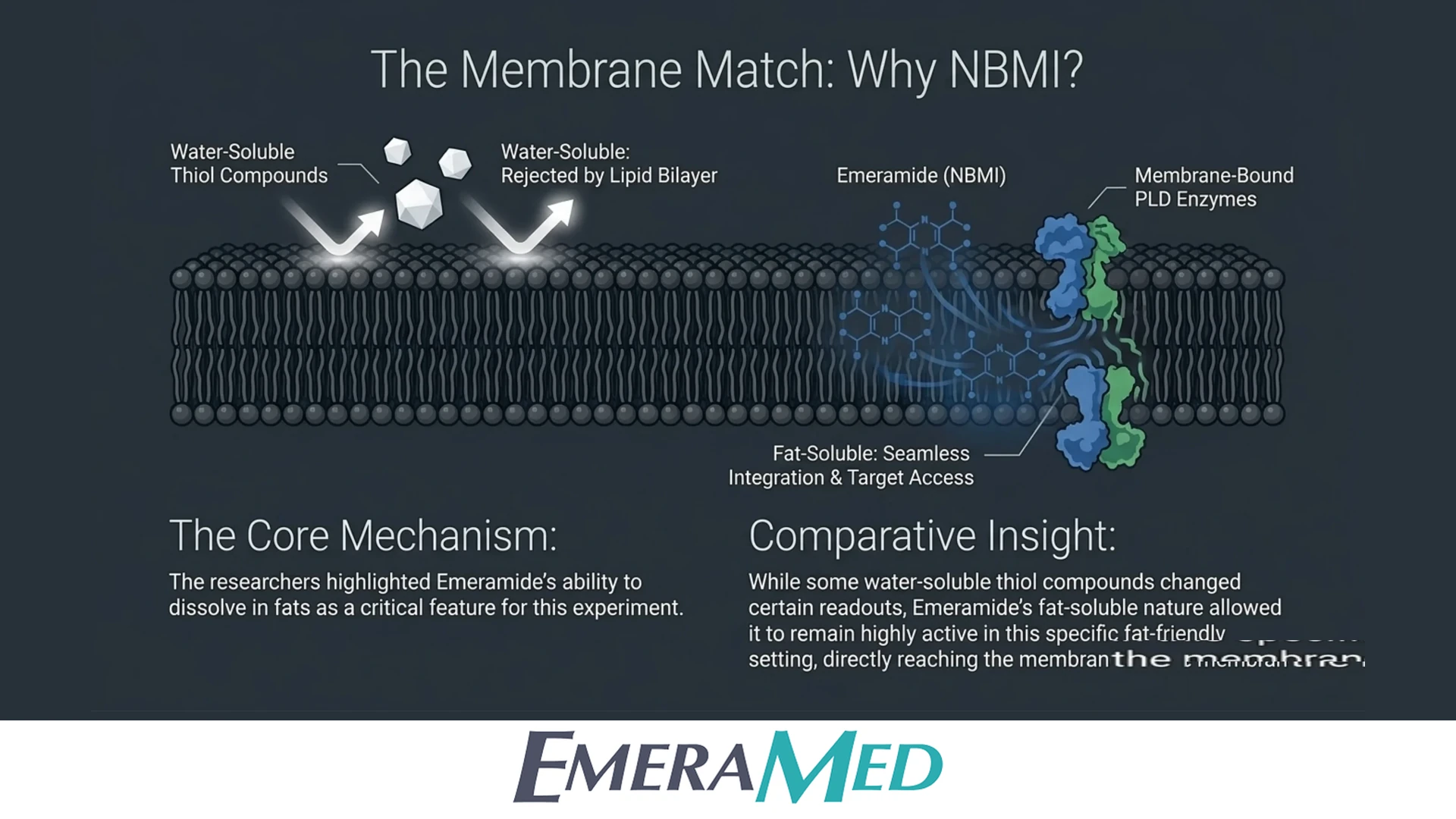
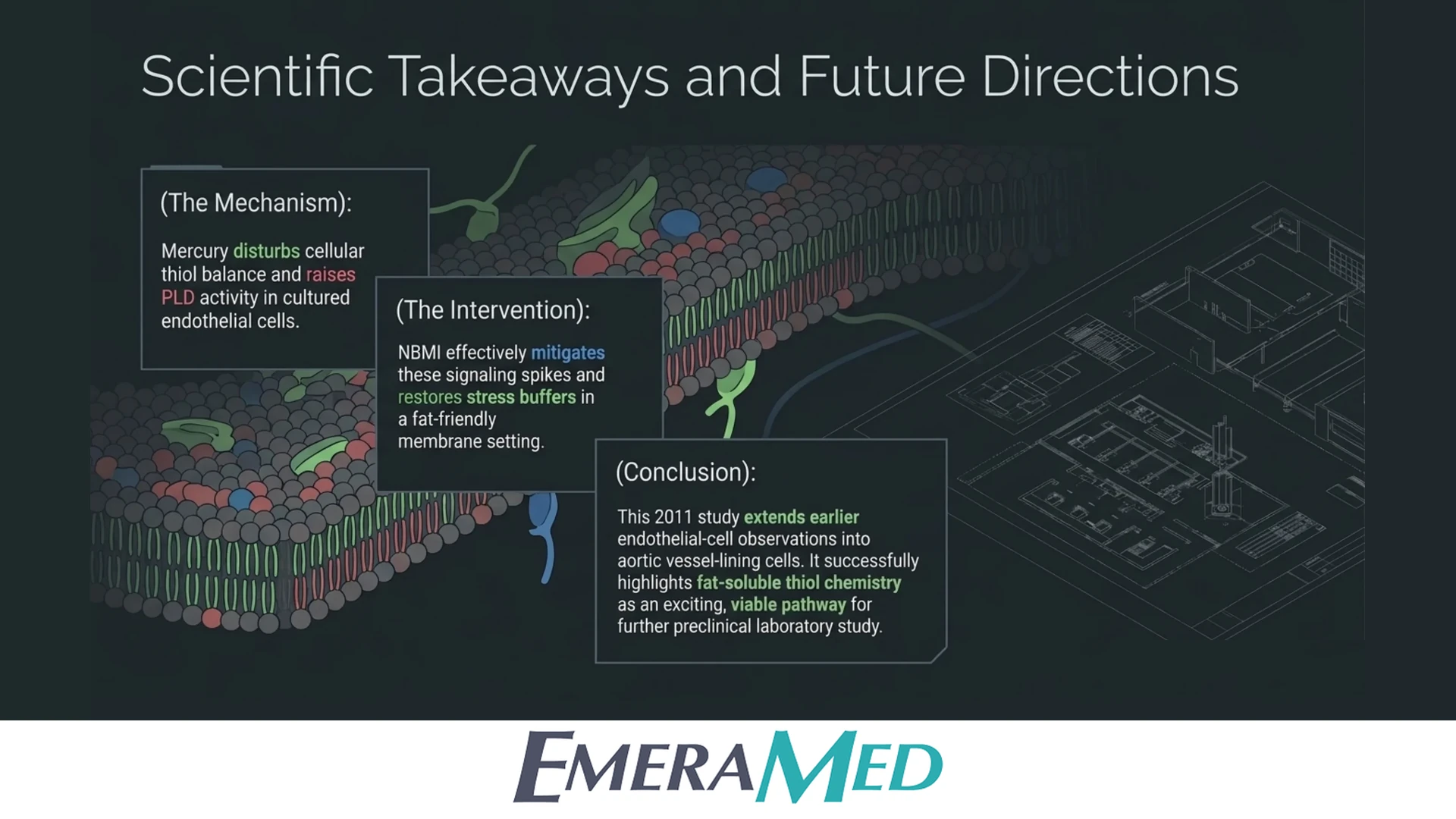
In the discussion, the authors bring the pieces together into a coherent laboratory picture: mercury can disturb thiol balance in these cells, turn on related signaling steps, raise PLD activity, and go along with higher cell-stress markers in culture. They point to Emeramide’s ability to dissolve in fats as a research feature that may matter for membrane-level studies, and they note that some water-soluble thiol compounds also changed certain PLD readouts in their hands, while Emeramide remained active in this fat-friendly experimental setting. FIPI is discussed as helpful confirmation that PLD itself took part in the responses they saw. The work extends earlier endothelial-cell observations into aortic vessel-lining cells and highlights pathways that remain interesting for further laboratory study. The tone of the discussion stays scientific and forward-looking: more research in the lab, not claims about medical use.
Source
Important notice
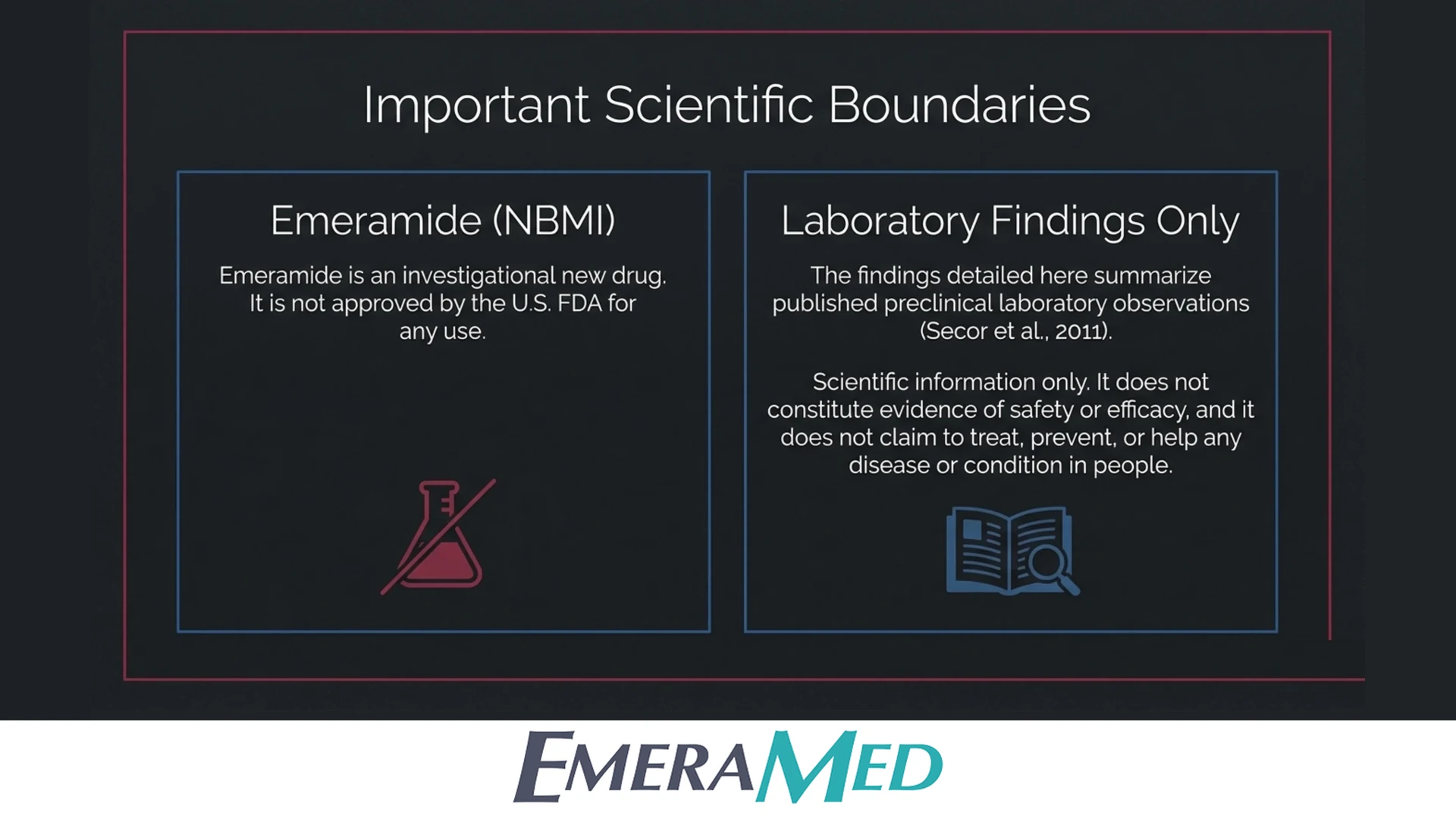
Emeramide (NBMI) is an investigational new drug. Not approved by the U.S. FDA for any use. This material is for scientific information only and does not constitute evidence of safety or efficacy.
This page summarizes published preclinical laboratory findings for scientific information. It does not say Emeramide is safe or effective for any use, does not claim it is better than other compounds, and does not say it treats, prevents, or helps any disease or condition in people.